

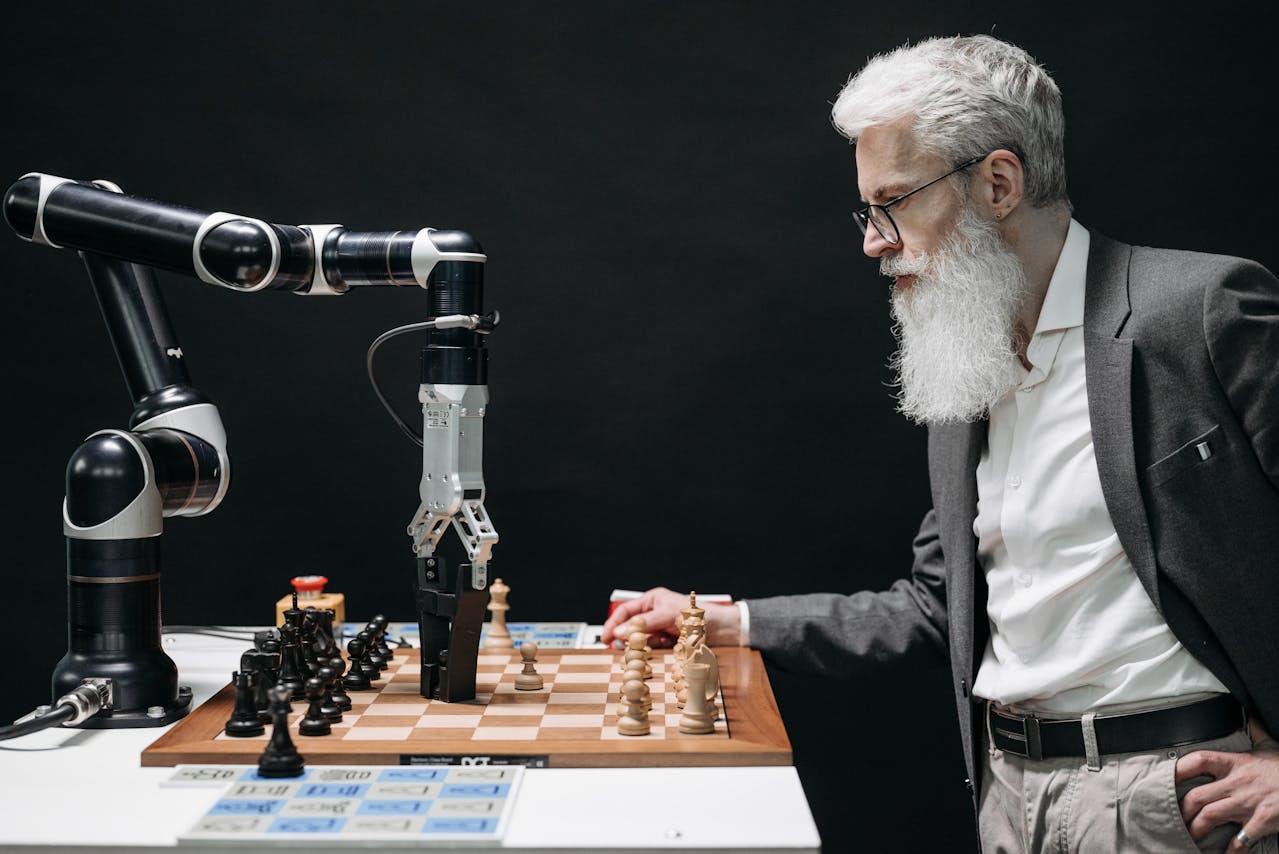
Machine vision, also known as computer vision, is a field of artificial intelligence (AI) that enables machines to interpret and understand visual information from the world around them. This technology has been rapidly advancing in recent years, and its future is looking brighter than ever before. With the integration of AI algorithms, machine vision systems are becoming increasingly accurate and efficient in tasks such as visual recognition, object detection, and image classification.
One of the key driving factors behind the advancement of machine vision technology is the development of deep learning algorithms. These algorithms, inspired by the structure and function of the human brain, are able to learn from large amounts of data and improve their performance over time. This has revolutionized the field of computer vision, allowing machines to recognize patterns and objects with incredible accuracy and speed.
As a result, machine vision systems are now being used in a wide range of industries and applications. In manufacturing, machine vision is being used to inspect products for defects, monitor production lines, and guide robots in complex tasks. In healthcare, machine vision is being used to assist in medical imaging, diagnose diseases, and analyze patient data. In autonomous vehicles, machine vision is being used to detect obstacles, recognize traffic signs, and navigate roads safely.
But the future of machine vision goes beyond just recognizing objects in images. Researchers are now working on developing systems that can understand the context and meaning of visual information. This involves teaching machines to interpret the relationships between objects, infer intent from actions, and make decisions based on visual cues. By combining machine vision with other AI technologies such as natural language processing and predictive analytics, it is possible to create intelligent systems that can assist humans in a wide range of tasks.
However, there are still challenges that need to be overcome to fully realize the potential of machine vision technology. These include issues such as bias in algorithms, privacy concerns, and the need for more robust and diverse datasets. Researchers and industry professionals are working hard to address these challenges and ensure that machine vision systems are ethical, fair, and transparent in their decision-making processes.
In conclusion, the future of machine vision is bright and full of possibilities. With the power of AI and deep learning algorithms, machines are now able to see, interpret, and understand the visual world in ways that were once thought impossible. As this technology continues to evolve and improve, we can expect to see even more groundbreaking applications and innovations in the field of computer vision.
